There is a version of Apple that most businesses know — the sleek devices, the intuitive interfaces, the products their employees ask for at review time. And then there is the version that actually matters to a business owner: what does it cost, what does it deliver, and what happens when something goes wrong?
Most companies only ever see the first version. That is where the misunderstanding starts.
The Assumption That Apple Is Just Consumer Tech
Walk into almost any enterprise IT conversation and you will still find people who treat Apple as a consumer brand that employees happen to bring to work. That perception is outdated, and for businesses that have not moved past it, it is quietly expensive.
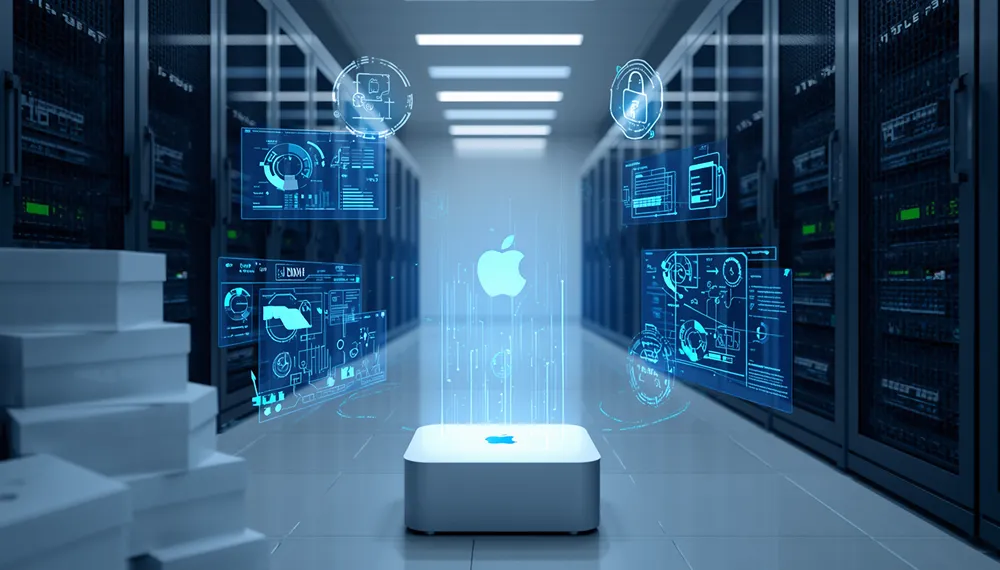
Apple has spent the better part of a decade building tools specifically for the enterprise. Apple Business Manager allows IT administrators to enroll, configure, and manage every device in a fleet remotely and silently from day one. Mobile Device Management integration gives organizations granular control over security policies, app deployment, and compliance requirements. The hardware itself is built with security at the chip level — not bolted on as an afterthought.
This is not consumer technology that happens to work in a business. It is an enterprise platform that also happens to be the device your employees actually want to use.
What Proper Apple Management Actually Looks Like
There is a meaningful difference between having Apple devices in your organization and running an Apple environment properly. The gap between those two things shows up in ways that are easy to miss until they become problems.
Device enrollment without a structured process means inconsistent configurations across your fleet. No unified endpoint management means security policies that exist on paper but not in practice. No lifecycle planning means devices that are replaced reactively — usually at the worst possible time and at a premium cost.
Proper Apple management starts before a device is ever unboxed. It includes zero-touch deployment so employees are productive from the moment they open the box. It includes MDM policies that enforce security standards automatically. It includes regular audits that tell you not just what devices you have, but whether they are configured correctly, up to date, and compliant with whatever regulatory frameworks your industry requires.
For most businesses, the gap between where they are and where they should be is not a technology problem. It is a process and expertise problem.
Why the Partner You Choose Matters
Apple Premium Technical Partner is not a designation that is handed out broadly. It is awarded to a small number of managed service providers that have demonstrated certified technical expertise, a proven ability to serve business customers with complex environments, and the organizational depth to deliver consultative guidance — not just reactive support.
Ocean Solutions holds that designation. In practical terms, that means our team has been trained and verified by Apple to deliver the full range of enterprise Apple services, from initial strategy through deployment and ongoing lifecycle management.
For our clients, it means working with a partner who understands the Apple platform at a level that goes well beyond basic troubleshooting. It means strategic guidance on how to build and scale an Apple environment that serves the business — not just the IT department.
The Business Case, Simply Put

Employee productivity goes up when people are not fighting their tools. Security incidents go down when devices are properly managed and policies are actually enforced. IT support costs decrease when environments are built correctly from the start rather than patched over time.
Apple technology, implemented and managed well, delivers a measurable return. The investment is not just in the devices — it is in the infrastructure, the processes, and the expertise that makes those devices perform the way they are supposed to.
That is the version of Apple most businesses never see. It is the version we help our clients build.
If your organization runs on Apple, or is considering making that move, we would welcome the conversation. Reach out to the Ocean Solutions team to learn more about what an Apple-first strategy could look like for your business.